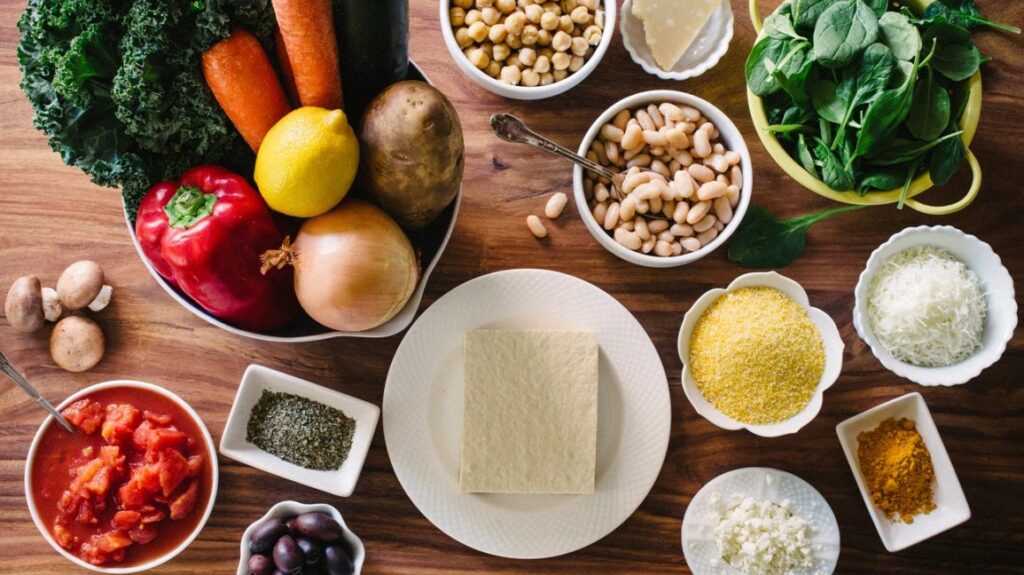

Meal prepping is more than a passing trend—it’s a practical strategy for fueling your body in a busy, fast-paced world. By planning and preparing meals ahead of time, you can save valuable hours during the week while making more intentional, nutritious food choices.
Whether you’re juggling a demanding job, training toward fitness goals, or simply aiming for better balance in your diet, meal prep can simplify your routine and help you stay consistent with wholesome, home-cooked meals.
With the right tips and ideas, meal prepping becomes easier to maintain and far more effective over the long term.
For those looking to take their routine to the next level, programs like National Academy of Sports Medicine (NASM) Bodybuilding Meal Prep Made Easy offer structured guidance to help you build consistency and discipline—without sacrificing flavor or enjoyment.
Contents
What Is Meal Prep?
Meal prep involves preparing meals or meal components in advance so they’re ready to eat later in the week. Having nutritious options on hand reduces the temptation to rely on fast food or expensive convenience meals.
It’s also a powerful tool for supporting fitness goals. Whether your aim is weight management, muscle gain, or competitive bodybuilding, meal prep helps you stay aligned with your nutrition plan. Preparation creates control—over ingredients, portions, and outcomes.
Think of meal prep as planning ahead for success. Instead of hoping your diet stays on track, you actively decide what and how much you’ll eat, making results far more predictable.
Additional benefits of meal prepping include:
-
Cooking in bulk and spending less total time in the kitchen
-
Eating at regular mealtimes without last-minute stress
-
Saving money on groceries and dining out
-
Easier weight and portion control
-
Reduced decision fatigue
-
Improved overall health and consistency
How to Meal Prep: 4 Simple Steps
1. Set Clear Goals
Before you start planning, decide what you want to achieve. Are you looking for quick weeknight dinners? Trying to save money? Following a structured nutrition plan? Working toward weight loss, maintenance, or muscle gain?
Once your primary goal is defined, every other decision—from recipes to portion sizes—becomes much simpler.
2. Make a Plan
Start small. Instead of planning every meal for a month, begin with two or three days, or focus on just one meal such as lunch or dinner.
Key planning steps include:
-
Decide which meals to prep (breakfast, lunch, dinner, or snacks)
-
Choose how many days you’ll prep for (2–3 days is ideal for beginners)
-
Select foods that align with your nutrition goals and preferences
-
Decide how many servings you’ll need per meal
-
Choose your prep method: large batches or individually portioned meals
-
Decide whether to fully cook meals or prep ingredients for faster cooking later
-
Set a weekly routine for planning recipes, grocery shopping, and cooking
Using planning tools such as apps, spreadsheets, or fitness trackers can streamline the process. Time-saving appliances like air fryers or pressure cookers can also make meal prep more efficient.
3. Gather Recipes
If you enjoy routine, a few reliable recipes may be all you need. If you prefer variety, explore recipe apps, social media, or healthy cookbooks to keep meals interesting.
Choose recipes that fit your lifestyle and nutritional needs. Flexible, simple dishes are often easier to maintain than overly complex ones.
4. Buy the Right Containers
Proper storage is essential for food safety and convenience. Options include:
-
Individual meal containers
-
Divided containers to separate proteins, carbs, and vegetables
-
Glass containers for reheating
-
Vacuum-sealed bags for freezing
Durable, well-sized containers make it easier to portion meals accurately and keep them fresh throughout the week.
Meal prepping doesn’t require perfection—just consistency. By setting goals, planning ahead, choosing recipes you enjoy, and storing meals properly, you create a system that supports both your health and your schedule.