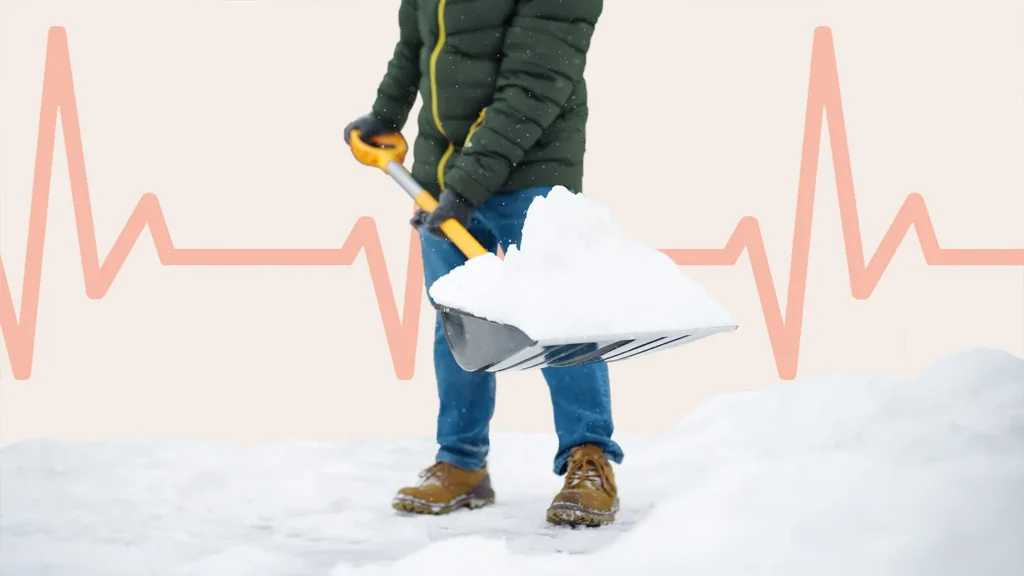

Shoveling snow is a full-body workout, as anyone who has survived a storm can attest. It can be hard on your back, arms, and legs to bend over, rotate, and lift heavy snow for several minutes at a time.
This intense activity can also challenge your heart, and the results can be dangerous. Here’s what you need to know.
Contents
Shoveling snow is a physically demanding job
After a year off, you wouldn’t sign up for a high-intensity cardio or strength training class to get back into the gym. That’s basically what you’re asking of your body when you prepare to shovel your driveway after the first heavy snowfall of the season.
Heart attack hospital admissions or deaths increase in winters with heavy or frequent snowfall, according to studies. “One of the reasons that heart attacks are common during this time of year is that shoveling snow and even using a snow blower are strenuous activities.
If you’re deconditioned or are not working out regularly, you’re forcing your body to take on a task it’s not prepared for,” says Tarun Mathur, MD, FACC, a cardiologist at Main Line Health.
Your heart works harder in cold weather. Your blood vessels narrow when the weather is cold. This restricts oxygen and blood flow to the heart, which means your heart has to work harder to do its job. Although prolonged exposure to freezing temperatures and restricted oxygen flow to the heart can be dangerous and cause a heart attack, just spending a few minutes in the cold may not pose a significant threat. “To mitigate this risk, it’s important to dress in layers and take breaks when spending extended time outdoors in the cold,” says Dr. Mathur.
Additionally, winter can weaken the immune system, and the flu has been linked to a heightened risk of heart attacks. This time of year, it’s important to get your flu vaccine and practice good hygiene, like regular handwashing, to protect your heart.
Finally, holiday indulgence-induced winter weight gain can result in plaque buildup in the arteries, further straining the heart. Trying lighter recipes and balancing treats with staying active can be helpful.
Aches in the muscles can hide signs of a heart attack
It’s common for shoveling to leave you feeling a little sore, no matter how fit you are or how much experience you have. Pain in the chest, arms or back could be a result of muscle strain… or it could be the warning symptoms of a heart attack.
“Many people are quick to dismiss the symptoms of a heart attack and delay calling 911, especially women. This is frequently because their symptoms, like feeling like an elephant is sitting on your chest, are not always “textbook” symptoms. Their symptoms, such as shortness of breath or nausea, can frequently be more vague, “explains Dr. Mathur. Therefore, don’t dismiss symptoms like chest pain or pain in your neck, arms, jaw, or back.
What you can do instead
You can’t change the weather, but you can change how you deal with the aftermath of the next winter storm. If you’re not typically active or have a history of pulmonary or cardiac issues, leave the shoveling to someone else. You can get assistance from family members or neighbors, or you can hire a service to clear your driveway and walkway on your behalf.